
Turn movement into visibility, speed and control.
Duplora connects warehouse, transportation, customer, automation and data systems so logistics organizations can reduce blind spots and operate with greater consistency across the supply chain.
A connected technology layer across the supply chain.
Logistics performance depends on information moving as reliably as goods. We integrate operational platforms, warehouse technology, fleet systems, customer experiences and data so teams can see more of the network and react faster when conditions change.
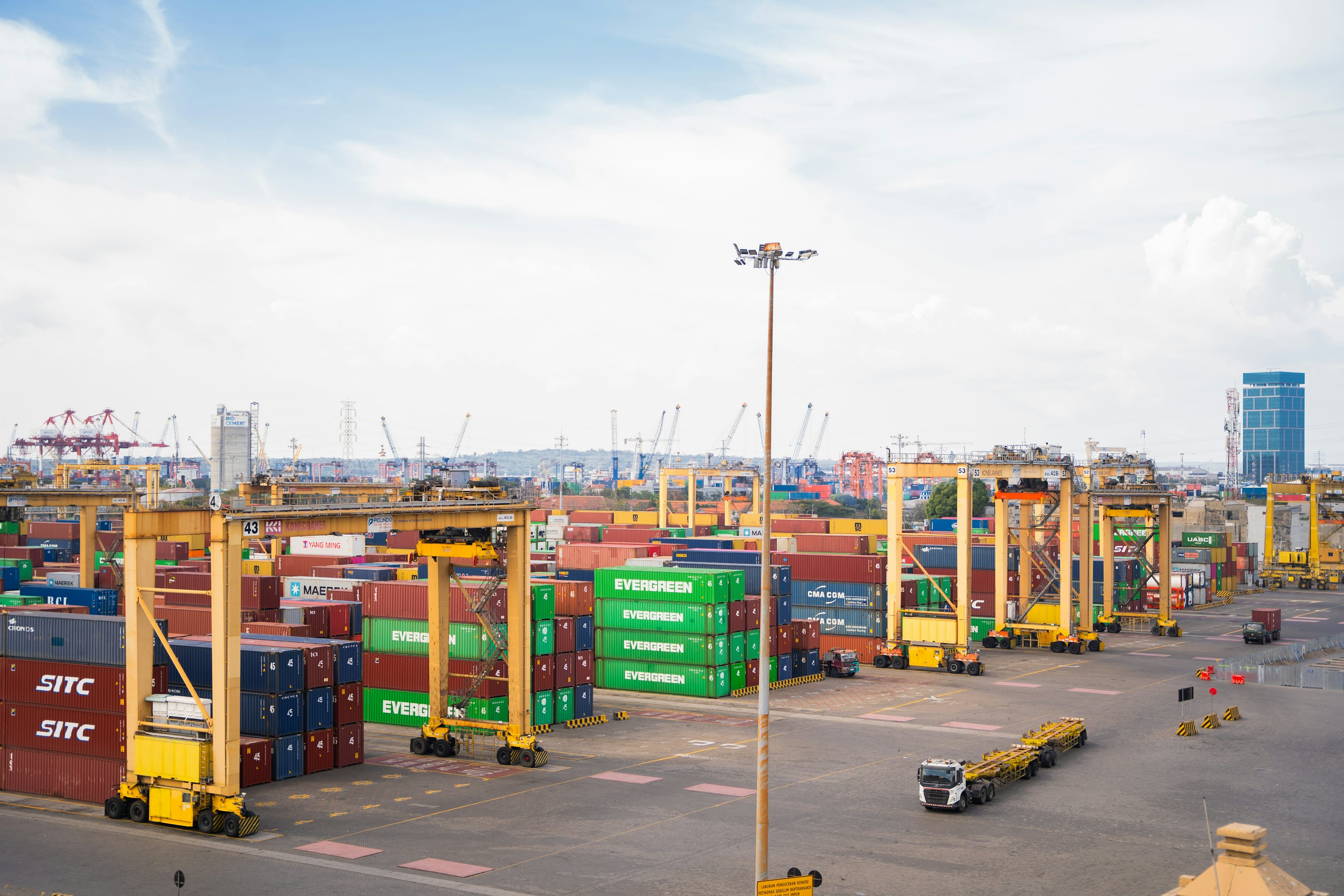
Technology shaped around the environment.
Duplora brings the right combination of software, automation, infrastructure, security and managed operations to the priorities that matter most in Logistics.
WMS / TMS Integration
Connect warehouse, transportation, ERP and customer platforms through cleaner, more maintainable integrations.
Warehouse Automation
Integrate conveyors, scanners, robotics and operational workflows with the systems that orchestrate fulfillment.
Fleet & Transportation
Improve digital workflows, tracking and data exchange across transportation operations.
Supply Chain Data
Create more consistent visibility into inventory, orders, shipments, exceptions and service performance.
Cloud & Connectivity
Build resilient network and cloud foundations across warehouses, offices and distributed operating locations.
Security & Managed IT
Protect and operate the systems that keep fulfillment, transportation and customer service moving.
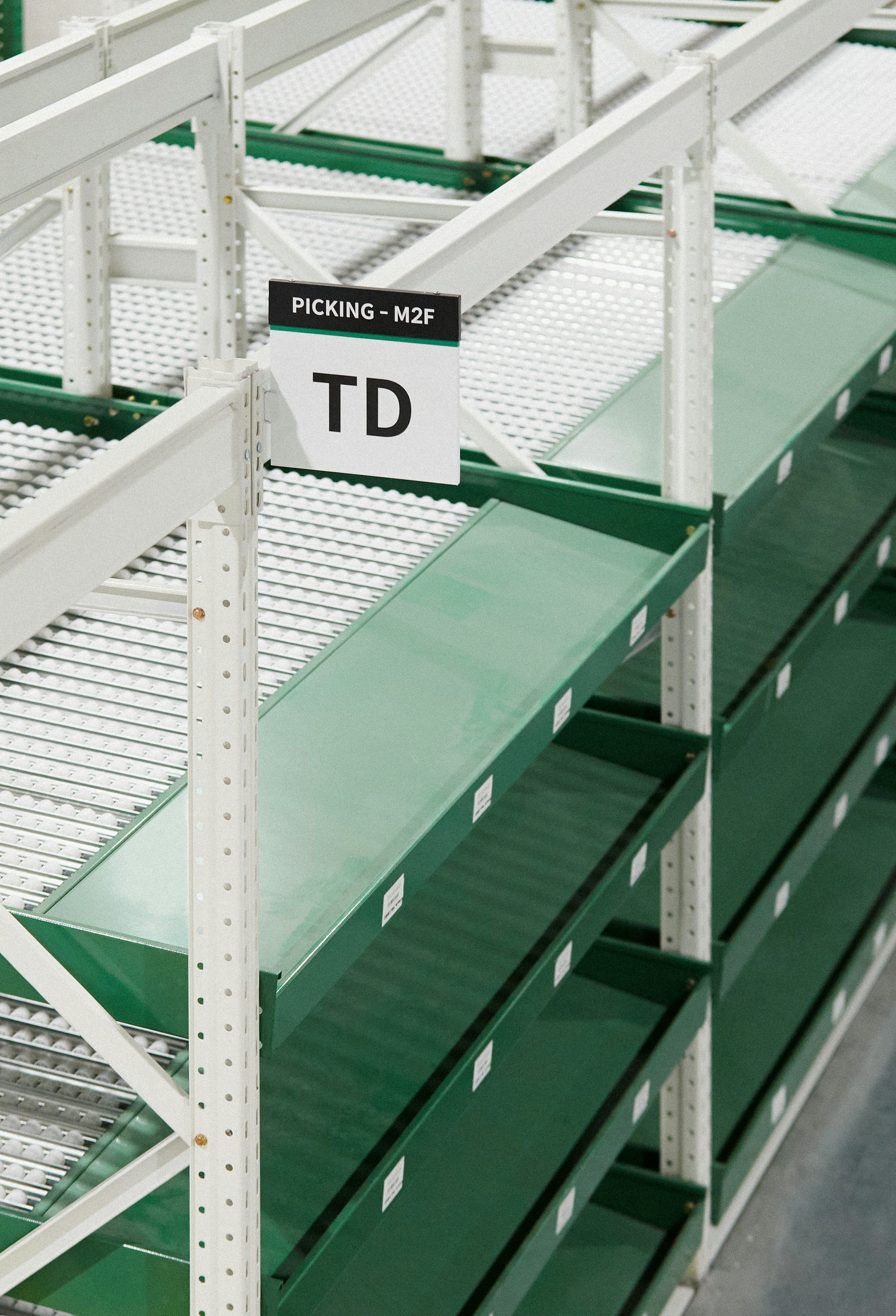
Less fragmentation across every handoff.
We help logistics organizations reduce the gap between systems, facilities and teams so operations can respond faster and leadership can see more clearly across the network.
Improve end-to-end visibility across inventory, orders and shipments
Reduce manual re-entry and disconnected workflows
Create more resilient warehouse and transportation technology
Scale operations with cleaner integration patterns and shared standards
Technology designed around flow.
Technology decisions are evaluated against the operating outcomes they create—not only whether a system was successfully deployed.
Visibility
Data from warehouses, transportation and customer systems becomes easier to connect and act on.
Throughput
Automation and integration reduce unnecessary manual steps across high-volume workflows.
Resilience
Critical operational systems are supported by stronger infrastructure and operating practices.
Flexibility
Modular integration patterns make it easier to add facilities, partners, carriers and new capabilities.
Where logistics technology needs to move faster.
We are most useful where operational growth has outpaced the integration and technology foundation underneath it.
- Warehouse modernization
- WMS and TMS integration
- Fulfillment automation
- Fleet and transportation workflows
- Supply-chain visibility platforms
- Multi-site infrastructure and managed IT
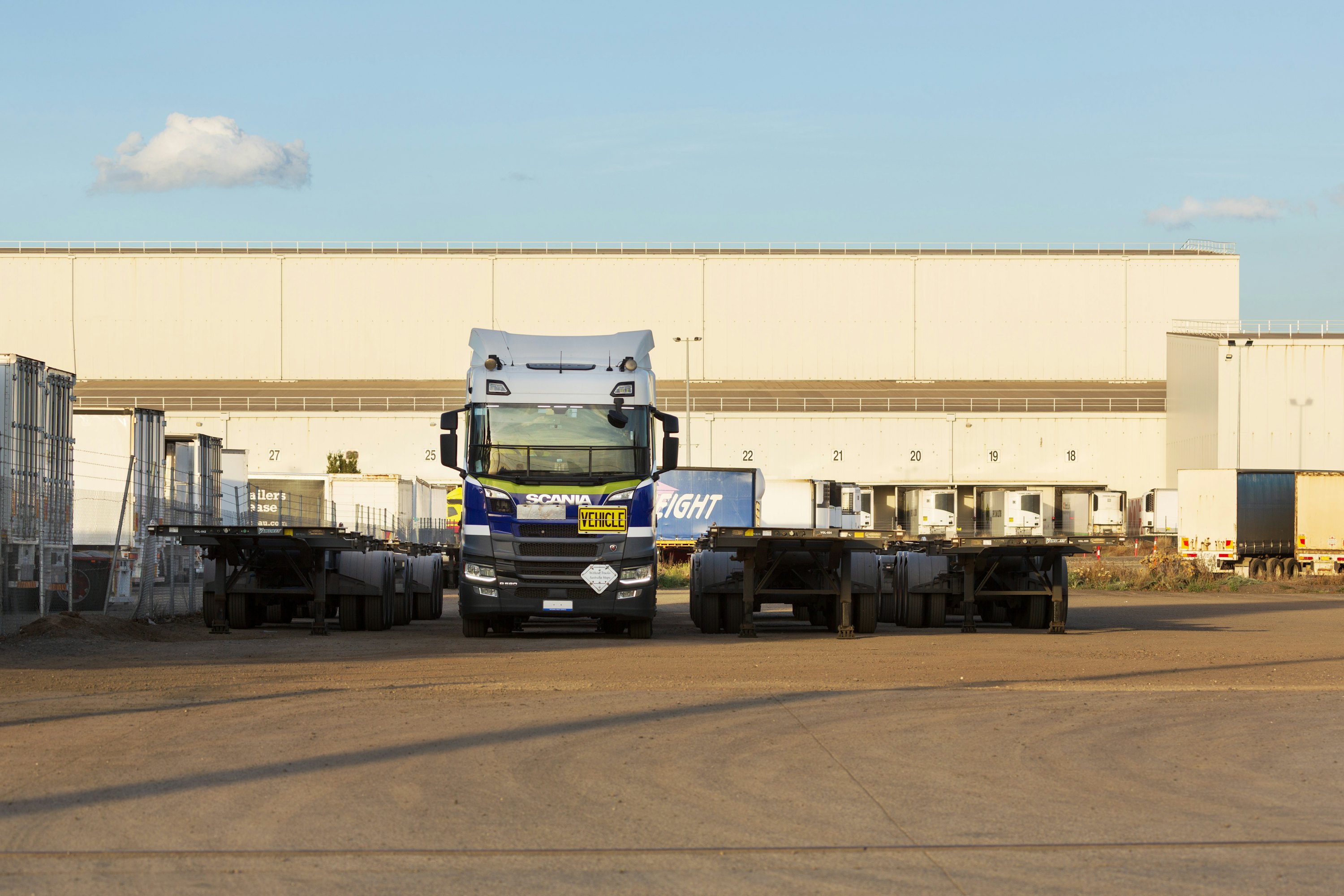
A disciplined path from operating reality to measurable improvement.
Every engagement starts with the environment that already exists, then moves through clear architecture, controlled delivery and accountable operations.
Trace
Map the operational flow, systems, handoffs and failure points.
Design
Create an integration and infrastructure model aligned to throughput and visibility goals.
Connect
Implement priority workflows and integrations with controlled operational change.
Improve
Measure performance, stabilize operations and extend the platform over time.
Let’s talk about technology in Logistics.
Tell us where operations are slowing down, becoming difficult to scale or creating unnecessary risk.